How Wootton Bassett Became ‘Royal': The Story Behind Royal Wootton Bassett's Historic Title
Royal Wootton Bassett is one of the very few towns in the UK to be granted the prestigious “Royal” title in modern times. Located in Wiltshire, just outside Swindon and close to Junction 16 of the M4, the town is widely known today for its powerful role in honouring fallen British service personnel.
But why did Wootton Bassett become “Royal”? The answer lies in a deeply moving chapter of recent British history - one defined by community, respect, and national recognition.
Where Is Royal Wootton Bassett?
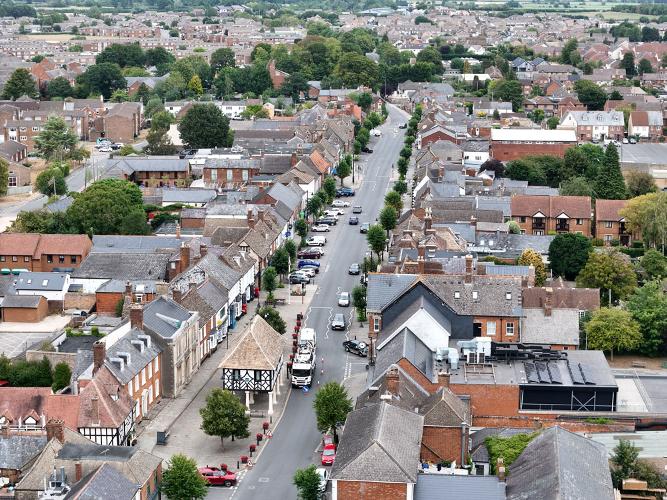
Royal Wootton Bassett is a historic market town in North Wiltshire, around 6 miles west of Swindon. Its location just 2.8 miles from Junction 16 of the M4 makes it a convenient stop for travellers heading towards South Wales, the West Country, or London.
Despite its accessibility, the town has retained its traditional charm, offering a quieter alternative to larger, busier towns while still being well connected.
What Did ‘Wootton Bassett' Mean Before It Became Royal?
Before receiving its royal designation in 2011, the town was simply known as Wootton Bassett, a name rooted in medieval England.
- “Wootton” comes from Old English, meaning a settlement in or near woodland
- “Bassett” refers to the Norman Bassett family, who were granted the land after the Norman Conquest
The town itself dates back to the Domesday Book of 1086 and has long served as a traditional market town with strong local identity.
Why Did Wootton Bassett Become Famous During the Iraq and Afghanistan Wars?
Wootton Bassett gained national and international attention between 2007 and 2011 due to its role in military repatriation processions.
Following the return of fallen British service personnel to nearby RAF Lyneham, the town became the route through which these processions passed. What began as a small, respectful gesture by local residents quickly grew into something far more significant.
What Happened During the Military Repatriation Processions in Wootton Bassett?
As each repatriation procession travelled through the town, residents gathered in silence to pay their respects. Over time, these gatherings became larger and more organised, drawing people from across the UK.
Key features of the processions:
- Thousands of people lined the streets in silence
- The Royal British Legion helped support and organise attendance
- No applause or noise - just quiet, collective respect
- National media coverage brought attention to the town
These processions became symbolic of the UK's collective mourning and appreciation for those who had lost their lives in service.
Why Was Wootton Bassett Awarded Royal Status in 2011?
In recognition of the town's extraordinary and consistent acts of respect, Queen Elizabeth II granted Wootton Bassett the title “Royal” on 16 March 2011.
Why this was significant:
- It was the first town in over 100 years to receive royal designation
- The honour recognised modern community actions, not historic royal ties
- It highlighted the importance of public unity, dignity, and remembrance
The official title became Royal Wootton Bassett, with a formal ceremony later that year to mark the occasion.
What Happened After RAF Lyneham Closed and Processions Ended?
Later in 2011, RAF Lyneham closed and repatriation flights were moved to RAF Brize Norton. As a result, the processions through Royal Wootton Bassett came to an end.
However, the town's role during those years left a lasting legacy. It continues to be recognised as a place of remembrance and national importance.
What Is Royal Wootton Bassett Like to Visit Today?
Today, Royal Wootton Bassett is a welcoming Wiltshire town that combines historical significance with everyday charm.
Visitors can enjoy:
- A traditional high street with independent shops and cafés
- Easy access to countryside walks and nearby attractions
- A peaceful atmosphere away from busy urban centres
- A strong sense of community pride
The town remains a meaningful place to visit for those interested in modern British history, as well as a convenient stop for travellers.
Where to Stay in Royal Wootton Bassett
For visitors looking to stay nearby, School House Hotel offers a peaceful and convenient base just outside the town.
Benefits of staying at School House Hotel:
- Located minutes from Royal Wootton Bassett and M4 Junction 16
- Comfortable rooms suitable for solo travellers, couples, and families
- On-site restaurant serving evening meals
- Breakfast included with most stays
- Quiet countryside setting for a better night's sleep
Whether you're visiting the town for its history or simply passing through on your way to Wales, the hotel provides a relaxed and practical stopover.
Conclusion: How Wootton Bassett Earned Its Royal Title Through Community Spirit
The story of how Wootton Bassett became “Royal” is a rare and powerful example of modern recognition rooted in community action rather than royal history.
Through years of quiet, consistent respect shown to fallen service personnel, the town earned a place in national memory - and a title that reflects the dignity and unity of its people.
Today, Royal Wootton Bassett stands not only as a historic town, but as a lasting symbol of respect, remembrance, and the strength of community.
