Silbury Hill & West Kennet Long Barrow Guide
Welcome to our in-depth guide on Silbury Hill and West Kennet Long Barrow in Wiltshire. Whether you're planning a day trip or an extended visit, discover everything you need to know about these awe-inspiring ancient sites. Explore the history, practical information, and insider tips from the team at Schoolhouse Hotel and Restaurant.
An Overview of the Avebury Prehistoric Landscape
The Avebury area is one of Europe's most significant prehistoric ceremonial landscapes. Dating between 3700 and 2000 BC, it includes stone circles, long avenues, burial sites, and ritual mounds. Silbury Hill and West Kennet Long Barrow are two of the most iconic features. Together with Avebury Stone Circle and related monuments, they illustrate a legacy of spiritual and social activity on the chalk downs of Wiltshire that still captivates visitors today.
Where Are Silbury Hill and West Kennet Long Barrow?
Silbury Hill and West Kennet Long Barrow are found near Avebury, at the heart of the beautiful Wiltshire countryside. Just south of Avebury village and mere miles from Swindon, these monuments are part of the wider Avebury World Heritage Site. Situated less than a mile apart, both sites are easily explored together, perfect for visitors keen to immerse themselves in the prehistoric landscape.
What Is Silbury Hill?
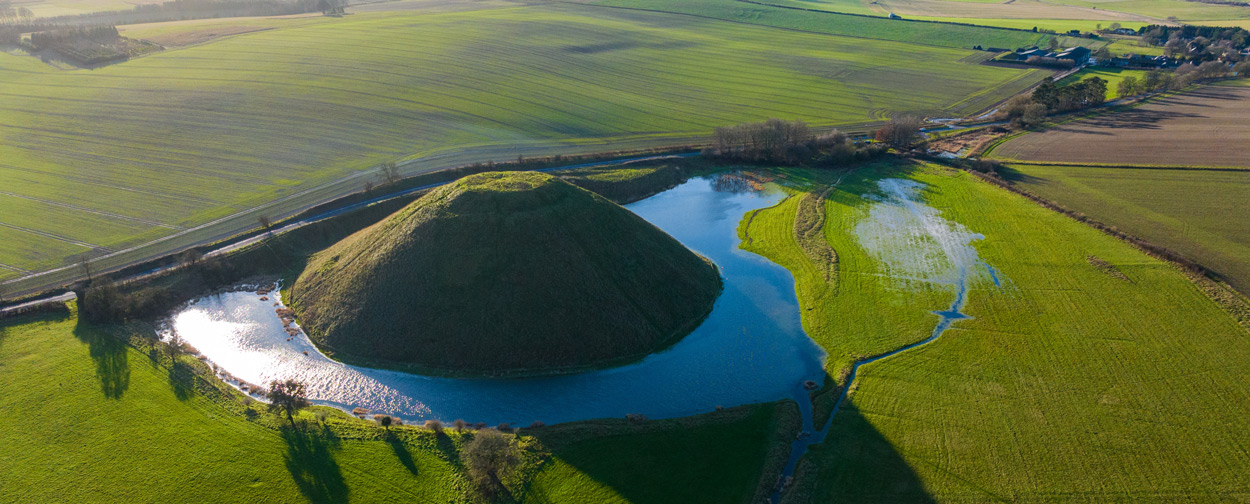
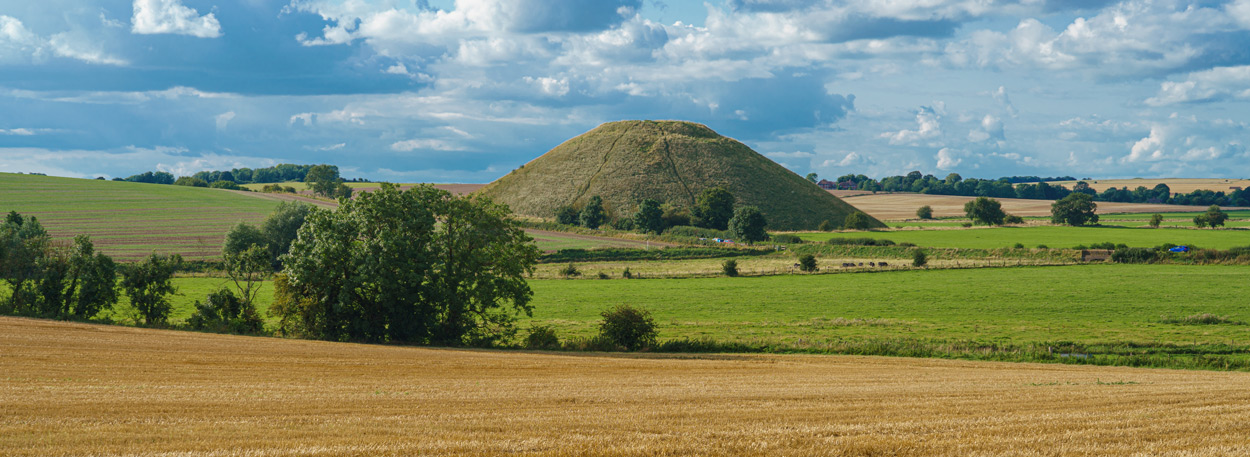
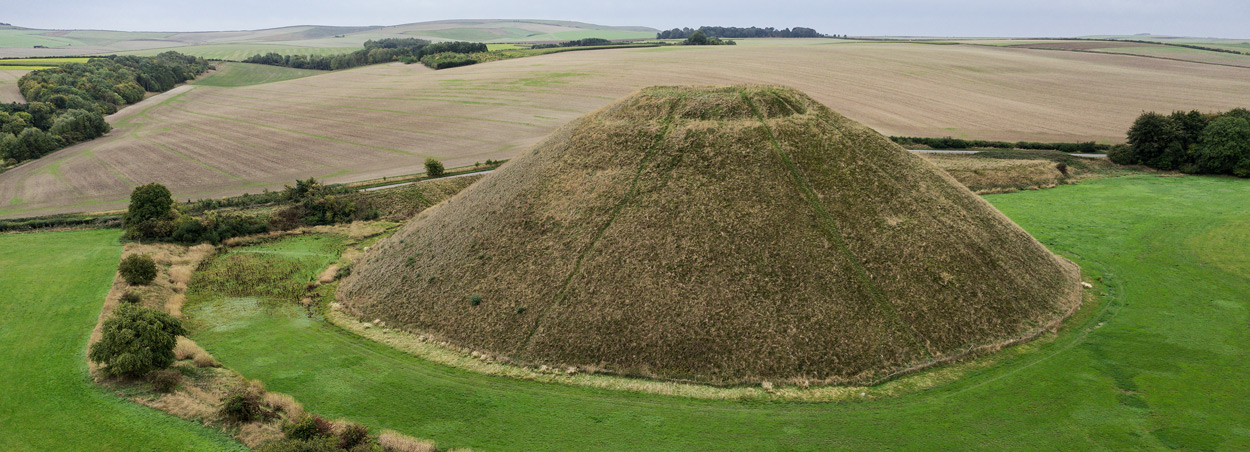
Silbury Hill is a colossal man-made chalk mound dominating the Wiltshire skyline. Constructed around 2400 BC, it stands at approximately 40 metres high, making it the largest prehistoric artificial mound in Europe. Built in several stages, its sheer scale is staggering and the precise methods and reasons behind its construction still puzzle archaeologists, adding an extra layer of fascination for every visitor.
What Is Silbury Hill Known For?
Silbury Hill stands as one of the most extraordinary monuments in prehistoric Britain, shrouded in mystery and fascination. Its significance reaches far beyond its sheer size, and each aspect of its history draws visitors and historians from all over the world. Here's what truly sets Silbury Hill apart:
Monumental Size
Silbury Hill is the largest man-made prehistoric mound in Europe, rising around 40 metres above the Wiltshire landscape. Its dramatic presence captures the imagination of anyone who sees it.
Ancient Origins
Constructed over 4,000 years ago during the Neolithic period, Silbury Hill is astonishingly old. It was created centuries before both Stonehenge and the Egyptian pyramids, making it one of Britain's earliest large-scale engineering feats.
Enduring Mystery
The true purpose of Silbury Hill remains unsolved. Despite decades of archaeological study, experts still debate why the mound was built, keeping the site an ongoing source of intrigue for visitors and scholars alike.
Architectural Precision
The mound was built with remarkable care and attention to symmetry. Its shape, structure, and alignment with Avebury's other ancient monuments demonstrate the advanced planning and engineering abilities of Neolithic communities.
Absence of Burial Chambers
Unlike many other prehistoric sites, Silbury Hill contains no known burial chambers or human remains. Numerous excavations have uncovered no conclusive evidence of its use as a ritual tomb, adding another layer of mystery to its story.
These features together make Silbury Hill an enduring symbol of prehistoric achievement and an unmissable highlight when exploring the ancient wonders of Wiltshire.
Why Was Silbury Hill Built?
The exact reason for Silbury Hill's construction remains a lively topic of debate. Some suggest it served as a ceremonial or ritual site; others propose it symbolised power or marked seasonal or astronomical events. What's certain is that creating the mound demanded vast resources and a united effort from the Neolithic community, underlining its importance in ancient Wiltshire society.
Can You Go Inside Silbury Hill?
No, you can't go inside Silbury Hill. Although tunnels were once created during archaeological investigations, these are sealed today for both safety and conservation. Preservation of the site is paramount, ensuring this remarkable prehistoric landmark endures for future generations exploring Wiltshire and its wonders.
Can You Walk Around Silbury Hill?
Absolutely, while climbing Silbury Hill is not allowed, visitors can walk around its base using nearby public footpaths. These routes offer fantastic perspectives of the mound and connect smoothly with other landmarks in the Avebury area. There are also several roadside viewpoints, giving everyone a chance to appreciate Silbury Hill from multiple angles.
Practical Information for Visiting Silbury Hill
Planning a visit to Silbury Hill is straightforward and rewarding, whether you're a history enthusiast or simply enjoying a day out in Wiltshire. Here's what you need to know to make your experience smooth and enjoyable:
Access
Silbury Hill is free to visit and open all year round. You can view the mound at your convenience, making it a flexible addition to any Wiltshire itinerary.
Climbing
Climbing the mound itself is not permitted. This restriction is in place to protect the monument from erosion and to preserve the site for future generations to enjoy.
Parking
You'll find small lay-bys along the roadside near Silbury Hill, or you can use the main public car park in Avebury village. Both options allow for easy access to the site via public footpaths.
Time Needed
To fully appreciate Silbury Hill, allow about 15 to 30 minutes. This gives you time to walk around the base, take in the views, and snap some photos.
Dogs
Dogs are welcome at Silbury Hill as long as they are kept on leads. It's a great stop if you're exploring the Wiltshire countryside with your four-legged friend.
These simple tips ensure you can make the most of your visit to this remarkable Neolithic site, enjoying both its history and the natural beauty of the surrounding Wiltshire landscape.
What Is West Kennet Long Barrow?
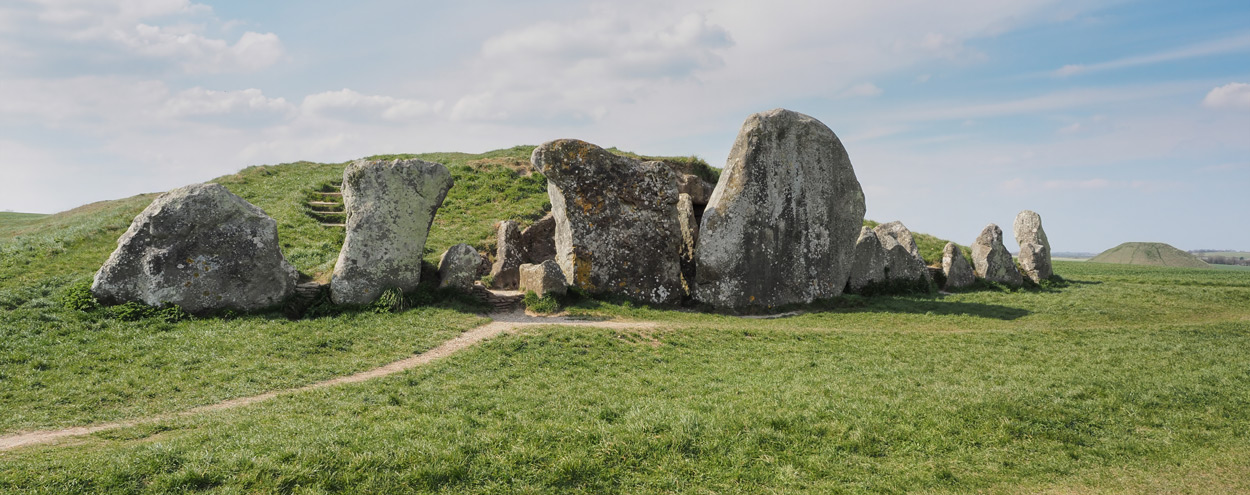
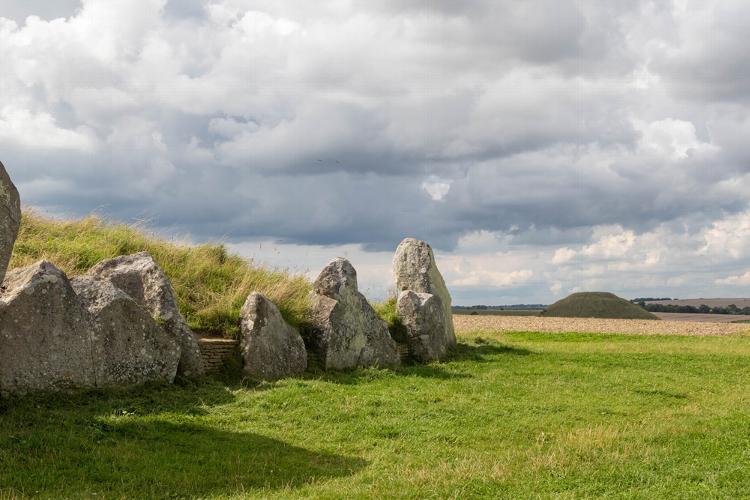
West Kennet Long Barrow is an evocative Neolithic burial monument dating back to around 3650 BC. Crafted as a long earth-covered mound with a stone-built chamber, it was used for group burials over several centuries. As one of Britain's longest barrows, this ancient site stands testament to the ceremonial practices and beliefs of early Wiltshire communities.
The History of West Kennet Long Barrow
Built in the early Neolithic period, West Kennet Long Barrow has witnessed thousands of years of history. Excavations in the 1950s revealed it was intentionally sealed around 2000 BC, possibly to mark its ceremonial closure. The barrow's layered chambers, artefacts, and human remains suggest it was used for structured communal burials rather than random interments, adding depth and mystery to every visit.
What Was Found Inside West Kennet Long Barrow?
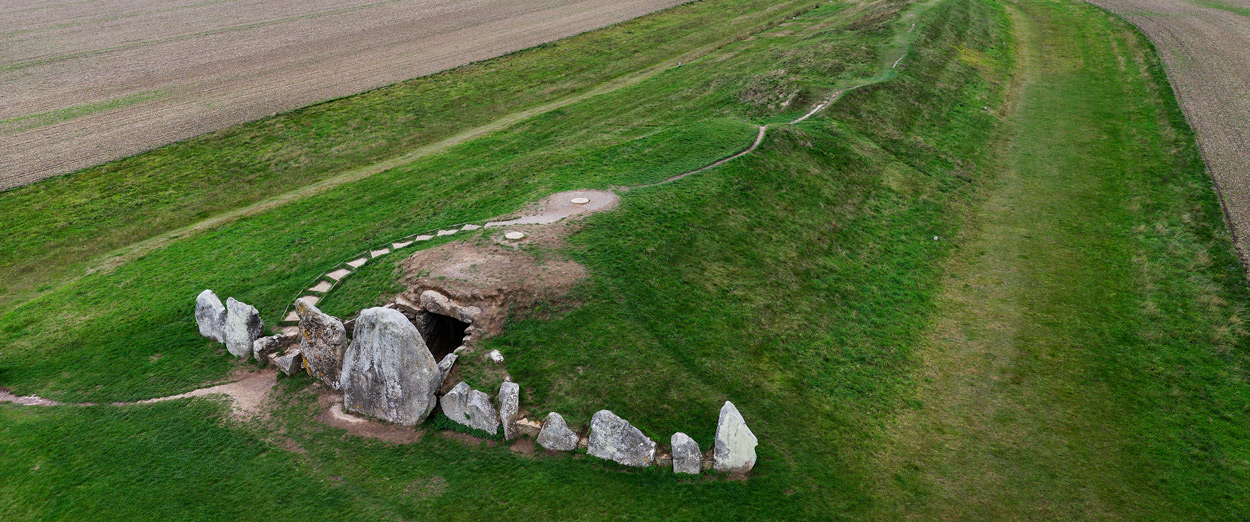
West Kennet Long Barrow reveals a fascinating window into Britain's Neolithic past. When archaeologists explored its chambers, a range of artefacts and remains shed light on the lives, beliefs, and rituals of the people who once used it as a sacred place. Here's what was uncovered inside:
Human Skeletal Remains
The remains of at least 46 individuals were discovered within the barrow. These findings confirm West Kennet Long Barrow's principal function as a communal burial site, providing direct evidence of structured and possibly ritualised interment practices.
Animal Bones
Animal bones were found alongside human skeletons, suggesting these may have been used in rituals or as grave offerings. Their presence hints at ceremonies that possibly involved feasting or animal sacrifice, reflecting the spiritual significance of the site.
Pottery Fragments
Broken pieces of Neolithic pottery were scattered among the remains. These pottery fragments offer valuable clues about the customs, daily life, and artistry of the people who built and used the barrow over thousands of years ago.
Flint Tools
Various flint tools were recovered, likely used for both practical tasks and ceremonial activities. Their inclusion as grave goods demonstrates the importance of these implements in Neolithic culture, both for survival and for honouring the dead during burial rites.
Together, these finds bring the story of West Kennet Long Barrow to life, allowing visitors and researchers alike to connect with the rituals, beliefs, and daily realities of Wiltshire's earliest inhabitants.
Can You Go Inside West Kennet Long Barrow?
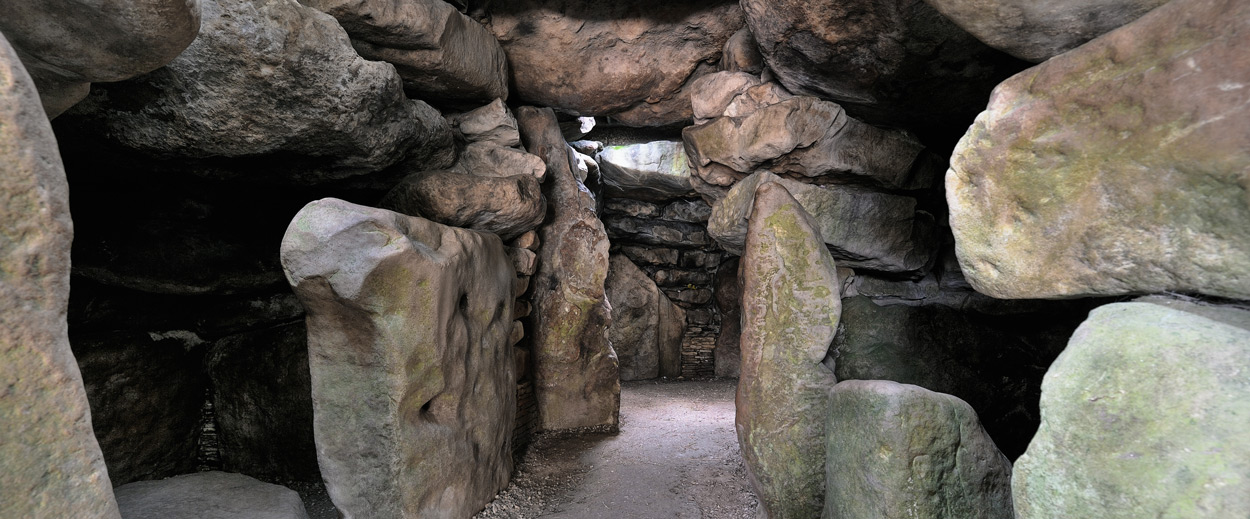
Yes, visitors are welcome to step inside the atmospheric stone chamber at West Kennet Long Barrow. Walking into the cool, dimly lit passage brings you closer to the world of Wiltshire's first communities. However, be aware that the chamber is narrow, with uneven stones and low light, sensible shoes and caution are essential while you delve into Neolithic history.
How Long Is West Kennet Long Barrow?
West Kennet Long Barrow stretches impressively for about 104 metres across the Wiltshire hills. It ranks as one of the longest Neolithic burial mounds in Britain. The accessible stone chamber extends a considerable way into the mound, allowing you to physically explore part of a ceremonial landscape that has stood for millennia.
Visiting West Kennet Long Barrow Today
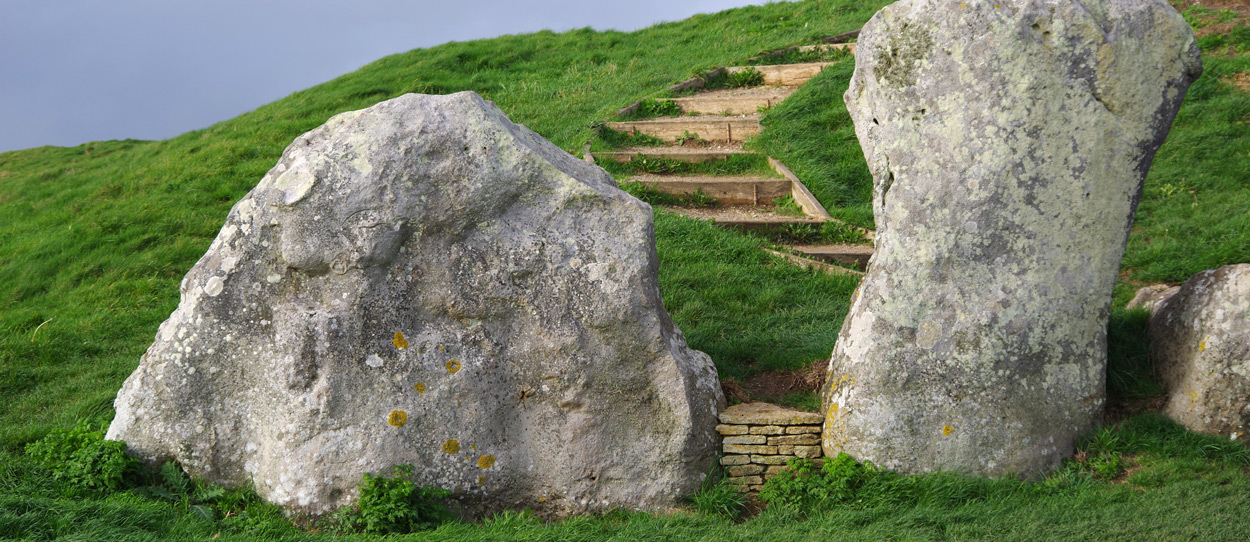
When visiting West Kennet Long Barrow, you're stepping into one of Wiltshire's most impressive and accessible prehistoric sites. Planning ahead will help you enjoy a safe and fulfilling experience during your time at the long barrow.
Access
Visiting West Kennet Long Barrow is free for all visitors, with the site open throughout the year. There's no charge or booking needed, making it a flexible and budget-friendly addition to any day out in Wiltshire.
Interior Access
Unlike many historical sites, you can physically enter and wander through the stone burial chamber. Exploring the dark, echoing spaces offers a unique opportunity to connect with Neolithic history first-hand.
Safety
The interior features uneven stones and very low natural light, so be cautious as you explore. Children should be supervised, and it's a good idea to bring a small torch or use a phone light to help with visibility and footing.
Time Needed
Most visitors will find that 20 to 40 minutes is about right to explore both the monument's interior and the beautiful surroundings. This allows time for walking from the road, soaking in the atmosphere, and taking photos.
Dogs
Dogs are welcome on leads at West Kennet Long Barrow. However, the cramped, stony interior of the chamber may not be comfortable for many dogs, so consider your pet's temperament before bringing them inside.
With a bit of preparation, your visit to West Kennet Long Barrow will be both enjoyable and memorable, offering a remarkable step back into Wiltshire's ancient past.
Walking Between Silbury Hill and West Kennet Long Barrow
The walk between Silbury Hill and West Kennet Long Barrow is a highlight for many Wiltshire visitors. The route winds for just under a mile through open countryside, passing near the ancient West Kennet Avenue. Allow around 20–25 minutes for a relaxed stroll. Along the way, enjoy sweeping views of the surrounding chalk downs and glimpses of Wiltshire's timeless landscape, making the journey a key part of the experience.
Best Time to Visit Silbury Hill & West Kennet Long Barrow
The ancient beauty of Silbury Hill and West Kennet Long Barrow can be enjoyed at any time of year, with each season and time of day offering a unique experience. Considering when to visit can help you make the most of these iconic Wiltshire landmarks.
Spring & Summer:
Warmer temperatures and vibrant green landscapes provide an inviting setting for outdoor exploration. Expect more visitors during school holidays and weekends, but the lively atmosphere and extended daylight make this a popular and pleasant time to visit.
Autumn:
Autumn brings crisp, fresh air and a palette of rich, golden foliage to the Wiltshire countryside. Crowds tend to lessen after summer, allowing for leisurely visits and dramatic, colourful photos of the ancient monuments against vivid backdrops.
Winter:
In winter, the sites are at their quietest and most atmospheric. Morning mists and subdued light give the landscape a mystical quality, ideal for reflection or those who prefer solitude. Be prepared for muddy or slippery paths, and dress warmly for the chill.
Sunrise/Sunset
Early mornings and late evenings transform Silbury Hill and West Kennet Long Barrow with magical golden light. These times are perfect for photography or simply enjoying a peaceful, almost otherworldly atmosphere with fewer people around.
No matter when you choose to visit, Silbury Hill and West Kennet Long Barrow offer a timeless charm that rewards every trip to the heart of Wiltshire.
Nearby Places to Visit
The historic charm of Silbury Hill and West Kennet Long Barrow is complemented by several other remarkable sites within easy reach. Enhance your Wiltshire adventure by adding these local highlights to your itinerary:
Avebury Stone Circle
This vast and impressive monument is one of Europe's largest and most enigmatic stone circles. Forming the heart of the Avebury World Heritage Site, it surrounds part of the village itself and invites visitors to wander amongst ancient stones that have stood for millennia.
West Kennet Avenue
Once a grand processional route, West Kennet Avenue is a remarkable alignment of paired standing stones. Linking Avebury Stone Circle with other prehistoric locations in the area, a walk along this avenue offers a direct connection to the landscape's ceremonial past.
Avebury Village and Museum
At the centre of the stone circle lies Avebury village, home to a museum filled with fascinating exhibits on the area's prehistoric heritage. The museum is a great place to learn more about Neolithic life and includes practical facilities such as a café and visitor centre to make your trip even more comfortable.
Adding these nearby sites to your visit ensures a complete and enriching exploration of Wiltshire's unique prehistoric landscape.
Stay At Schoolhouse Hotel For Your Wiltshire Trip
Turn your visit to Silbury Hill and West Kennet Long Barrow into an unforgettable Wiltshire experience by staying at Schoolhouse Hotel and Restaurant.
Enjoy countryside tranquillity and Victorian charm just a short drive from these Neolithic treasures, complementing your day trip with excellent food, comfortable rooms, and local hospitality. Book your relaxing break with us and discover the best of historic Wiltshire.
