Wiltshire is one of England's most historically significant and geographically diverse counties. It is shaped by ancient ceremonial landscapes, traditional market towns, nationally important memorial sites and wide stretches of open countryside. From world-famous prehistoric monuments to family attractions, wildlife reserves and places of modern historical importance, Wiltshire offers a depth of experience that rewards both short breaks and longer stays.
This guide on things to do in Wiltshire brings together the county's most notable landmarks, towns and visitor destinations, and offers useful tips on planning your stay!
What Is Wiltshire Best Known For?
Wiltshire is best known for its prehistoric heritage. The county contains one of the densest collections of ancient monuments in Europe, many of which remain accessible within open landscapes rather than enclosed sites. These prehistoric landmarks sit alongside historic towns, preserved villages and protected countryside, giving Wiltshire a strong sense of continuity between past and present.
Wiltshire is particularly associated with:
- Stone circles and ceremonial landscapes
- Chalk downlands and long-distance walking routes
- Historic market towns with strong local identity
- Family attractions set within countryside estates
- A calm, spacious feel despite excellent transport links
This balance of ancient history, rural space and accessibility defines the county's character.
What Famous Landmarks Can Be Found in Wiltshire?
Wiltshire is home to several internationally recognised landmarks, many of which are located close together and can be combined into a single itinerary.
Avebury Stone Circle
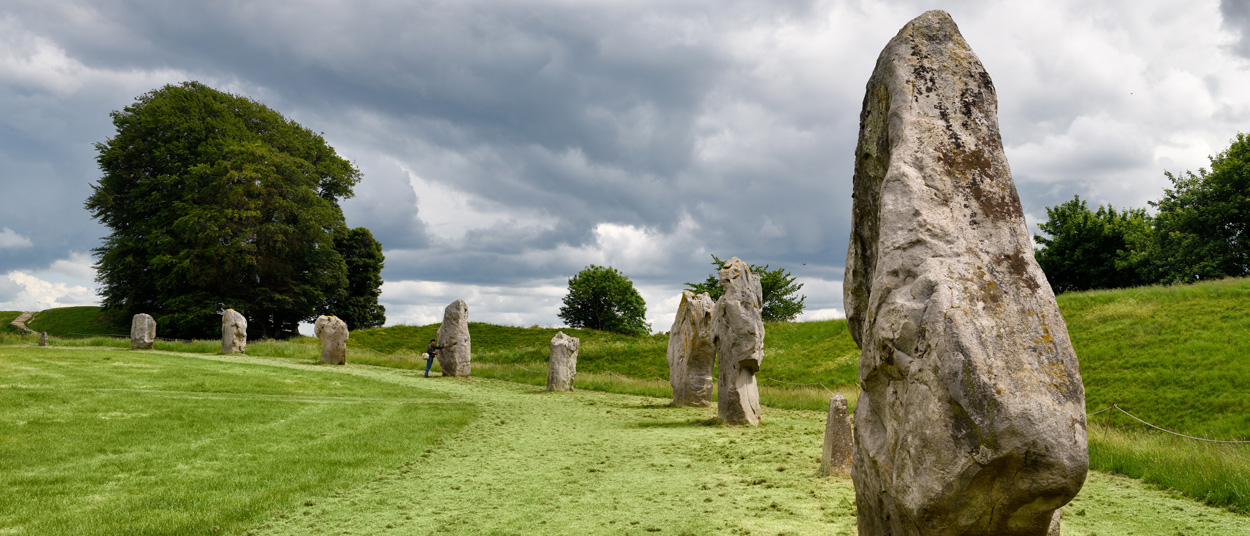
Avebury Stone Circle is one of the largest stone circles in the world and part of a UNESCO World Heritage Site. Visitors can walk freely among the stones, explore the village that sits within the circle and follow public footpaths into the surrounding prehistoric landscape.
Silbury Hill
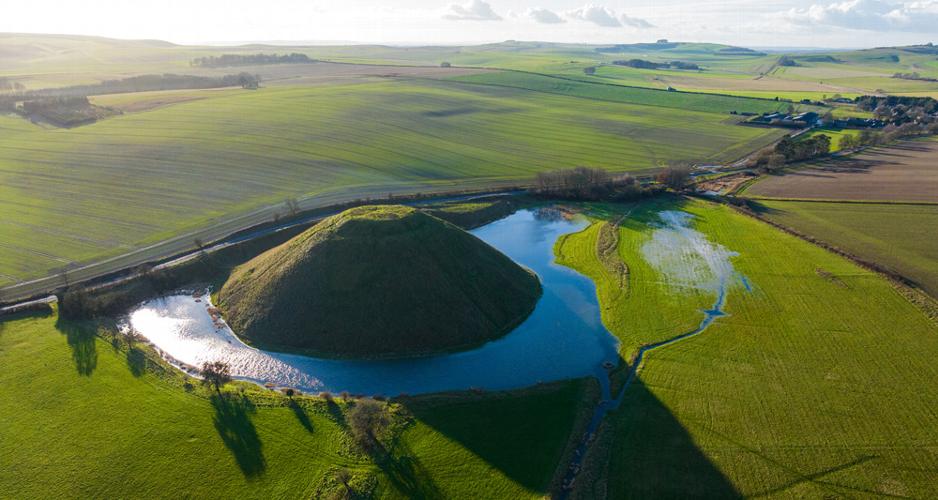
Silbury Hill is the largest prehistoric man-made mound in Europe. While access to the mound itself is restricted, it can be clearly viewed from nearby footpaths and designated viewing points.
West Kennet Long Barrow
West Kennet Long Barrow is one of Britain's best-preserved Neolithic burial chambers. Visitors can walk inside the stone chambers, making it one of Wiltshire's most atmospheric ancient sites.
Westbury White Horse
Westbury White Horse is one of Wiltshire's iconic chalk hill figures and offers panoramic views across west Wiltshire and the surrounding countryside.
Outdoor Attractions in Wiltshire
Wiltshire's outdoor attractions are defined by open landscapes, historic routes and accessible countryside that can be enjoyed year-round.
Avebury & the Marlborough Downs
The chalk downlands around Avebury offer circular walking routes linking stone circles, burial mounds and open ridgelines. These walks are popular with walkers, photographers and visitors interested in combining scenery with history.
Langford Lakes Nature Reserve
Langford Lakes Nature Reserve features flat, well-maintained paths around a series of lakes. It is known for birdwatching and gentle walks, making it suitable for all ages and abilities.
Kennet & Avon Canal
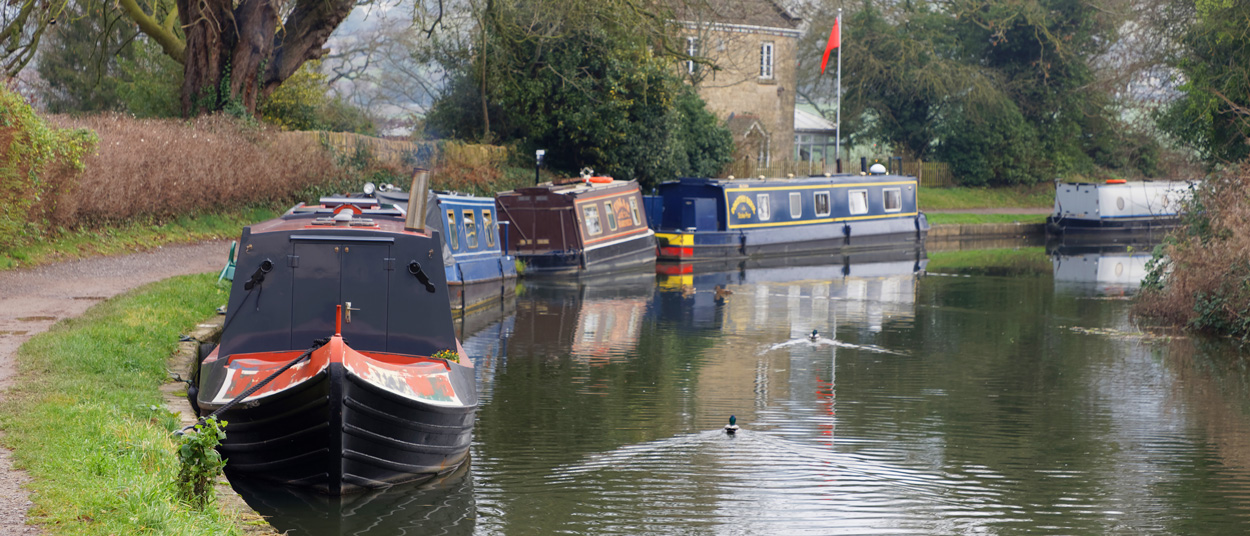
The Kennet & Avon Canal runs through Wiltshire and provides long, flat towpath routes near Swindon, Pewsey and Devizes. These are ideal for relaxed walking, cycling and wildlife spotting.
Family Attractions in Wiltshire
Wiltshire offers a strong range of family-friendly attractions that combine education, outdoor space and hands-on experiences.
Longleat
Longleat is one of Wiltshire's most visited attractions. The safari park, stately home, gardens and seasonal events make it a full-day destination for families of all ages.
Roves Farm Visitor Centre
Roves Farm Visitor Centre is a working farm near Swindon offering animal encounters, play areas and seasonal activities, particularly suited to families with younger children.
Studley Grange Garden & Leisure Park
Studley Grange Garden & Leisure Park combines a garden centre with a farm park, craft village and children's play areas, making it easy to include in family itineraries.
Bowood House & Gardens
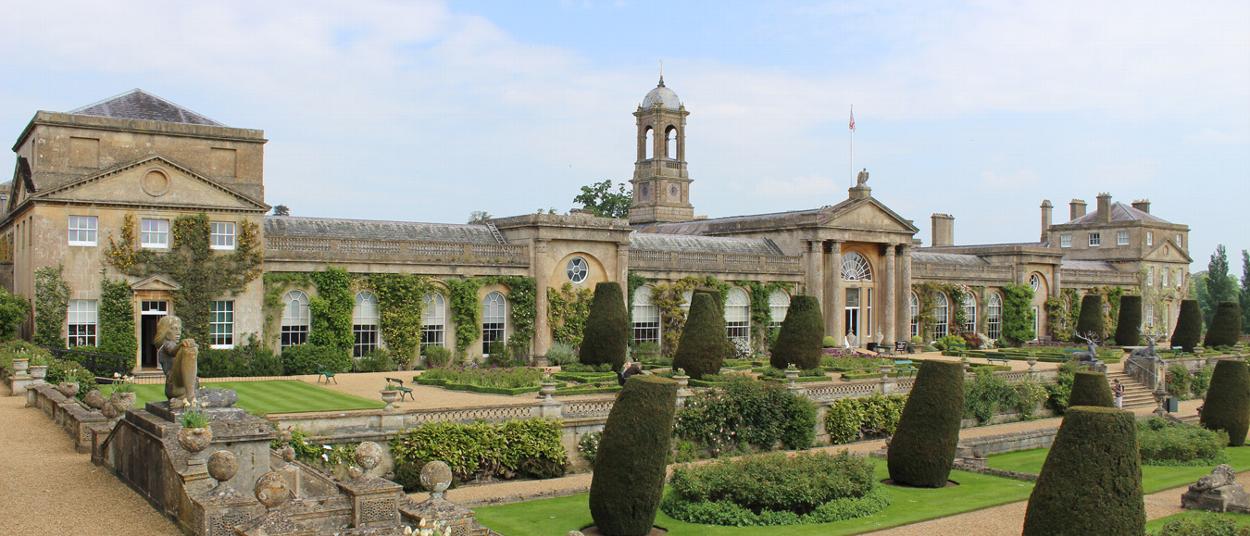
Bowood House & Gardens offers landscaped gardens, woodland walks and an adventure playground, appealing to families and couples alike.
Indoor Attractions in Wiltshire
Wiltshire also has a good selection of indoor attractions, ideal for rainy days or winter visits.
STEAM – Museum of the Great Western Railway
STEAM – Museum of the Great Western Railway explores Swindon's railway heritage through large-scale exhibits and interactive displays.
Swindon Museum and Art Gallery
Swindon Museum and Art Gallery focuses on archaeology, art and local history, offering a quieter cultural stop.
McArthurGlen Designer Outlet Swindon
McArthurGlen Designer Outlet Swindon provides indoor shopping, cafés and restaurants, making it a popular addition to short breaks.
Wyvern Theatre, Swindon
Wyvern Theatre is one of Wiltshire's main performing arts venues and a strong option for indoor sightseeing, particularly in the evenings or during poor weather. The theatre hosts a varied programme throughout the year, including touring West End productions, comedy, live music, family shows and pantomime.
Corsham Court
Corsham Court offers a mix of historic interiors and art collections, providing a quieter indoor attraction focused on heritage and architecture.
Historic Towns & Villages in Wiltshire
Wiltshire's towns and villages are central to its identity, combining medieval history, preserved architecture and modern historical significance.
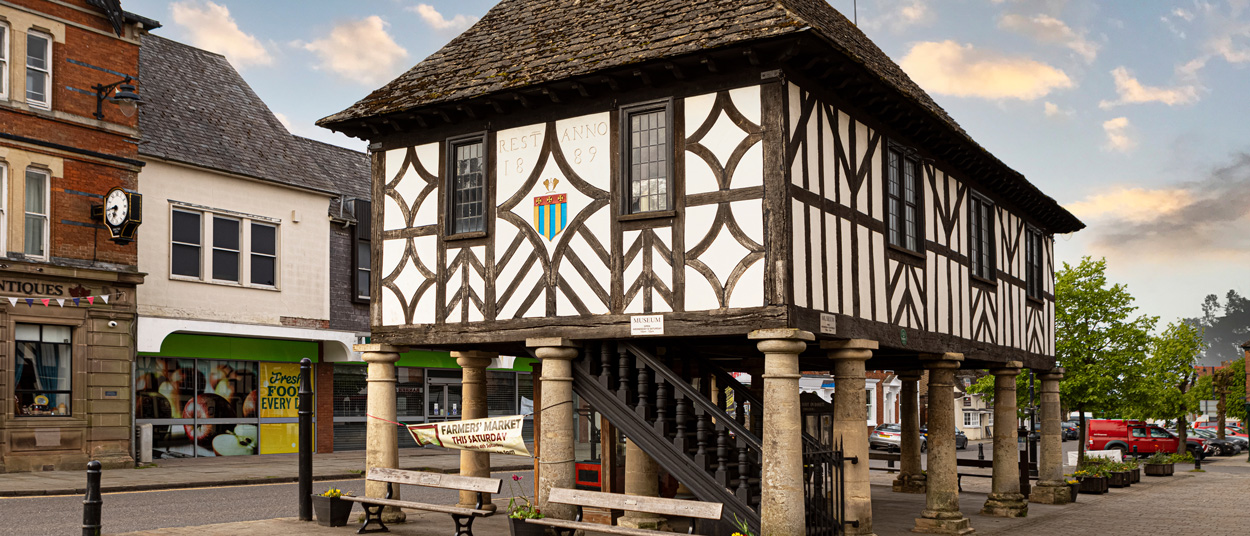
Royal Wootton Bassett
Royal Wootton Bassett is a historic market town that holds a unique place in modern British history. Between 2007 and 2011, the town became nationally and internationally recognised for the way residents gathered in silence along the High Street to honour fallen UK service personnel during repatriation processions from Afghanistan. What began as a spontaneous act of respect grew into a powerful national symbol of remembrance. In recognition of this deep respect and support for the Armed Forces, Queen Elizabeth II granted the town the title “Royal” in 2011.
Lacock
Lacock is one of England's best-preserved villages, known for its historic streets, traditional buildings and frequent use as a filming location. The village itself is free to explore.
Castle Combe
Castle Combe is one of Wiltshire's most photographed villages, set within a small valley and surrounded by countryside.
Malmesbury
Malmesbury is one of England's oldest boroughs, dominated by its abbey and offering elevated views across north Wiltshire.
Wiltshire Sightseeing by Area
Exploring Wiltshire by area rather than individual attractions helps reduce travel time and creates more relaxed days.
North Wiltshire
North Wiltshire includes Avebury, the Marlborough Downs, Swindon's museums and Royal Wootton Bassett. This area combines prehistoric landscapes, indoor attractions and market towns, making it popular for country breaks and M4 stopovers.
West Wiltshire
West Wiltshire is known for villages and countryside, including Lacock, Castle Combe and the area around Bradford-on-Avon. It suits slower sightseeing and photography.
Central & South Wiltshire
This area includes Salisbury Plain, chalk downlands and nature reserves. Sightseeing here focuses on wide landscapes, walking routes and historic churches rather than large towns.
Stay in Wiltshire and Explore Its Most Iconic Landmarks
North Wiltshire offers particularly strong access to the county's most visited landmarks, countryside areas and family attractions, with direct links from the M4.
Staying at School House Hotel in Royal Wootton Bassett places you close to the county's most famous landmarks while offering a quieter setting to return to each evening. With comfortable accommodation, an on-site restaurant and excellent access from the M4, it's an ideal place to stay while discovering Wiltshire at a relaxed, rewarding pace.
School House Hotel Book A Room!
